
EXPEDITIONS
Over the years, I have taken part in numerous expeditions and field projects across remote and demanding environments, working alongside scientists, researchers, conservation teams, production crews, and exploration groups. My work focuses on documenting wildlife, culture, geology, archaeology, and scientific research in locations ranging from deep cave systems and underground rivers to tropical rainforests and deserts.
I specialize in expedition and field documentation for institutes, foundations, scientific expeditions, conservation organizations, and companies, with experience working in extreme and technically challenging conditions where reliable visual documentation is essential. The photographic work covers everything from specimen and species documentation to the full visual coverage of expeditions, including researchers, field activities, scientific procedures, camps, exploration, and behind-the-scenes moments, combining documentary accuracy with an artistic approach.
For collaborations, assignments, or expedition projects, feel free to get in touch.


NORTH SUMATRA
Herpetological expedition in North Sumatra in collaboration with Explore Herpetology, focused on documenting the region’s rich reptile and amphibian biodiversity across tropical rainforests, volcanic highlands, mangroves, and remote wilderness areas. The expedition involved intensive field surveys and the photographic documentation of numerous species, including several endemic and rarely observed snakes, vipers, mphibians, and other rainforest fauna.
Herpetology Expedition


BOSNIA & HERZEGOVINA
“Guardians of the Karst” is a National Geographic Society funded expedition in Bosnia and Herzegovina focused on documenting elusive cave fauna and the fragile ecosystems hidden within the country’s karst systems. Through biological exploration and photographic documentation, the project aimed to expand scientific knowledge of subterranean life while raising awareness about the importance and vulnerability of Bosnia’s underground waters, which are increasingly threatened by infrastructure and hydropower development.
Cave Taxonomy Expedition


MALAWI
Documentation of the Anti-Poaching K9 Unit of Majete Wildlife Reserve, highlighting the work of rangers and detection dogs operating on the front line of wildlife conservation. The project focused on patrol operations, tracking activities, and the daily challenges faced in protecting endangered wildlife and preserving one of Malawi’s most important protected ecosystems.
Anti-poaching Unit Expedition


KOMARNICA
Citizen science expedition in Komarnica Canyon organized by Taxon Expeditions, focused on documenting the biodiversity of the region and expanding the biological inventory of one of Montenegro’s most important natural areas. Bringing together scientists, researchers, and citizen participants each year, the expedition aims to support the protection of the canyon and raise awareness about the environmental and social threats posed by planned hydropower development, which endangers local wildlife, ecosystems, and surrounding communities.
Taxonomy Expedition


CROATIA
Annual cave archaeology expedition on Lastovo Island carried out under the supervision of the Archaeological Museum in Zagreb, focused on investigating human activity and the historical use of the island’s cave systems through archaeological research and exploration. The project combines excavation, documentation, and field survey work in order to expand knowledge of the cultural history and past human presence within the isolated landscapes of Lastovo.
Archaeology Expedition


TUSCANY
Taxonomic expedition performed by Taxon Expeditions in Tuscany based at Castello di Potentino, focused on documenting the invertebrate fauna of the surrounding landscapes and studying biodiversity within traditional vineyard ecosystems. Combining field surveys, specimen documentation, and ecological research, the project explored the relationship between low-intensity agricultural practices and the diversity of local invertebrate communities across the Tuscan countryside.
Taxonomy Expedition


AMORGOS
Cave exploration expedition on Amorgos Island funded by the Municipality of Amorgos, focused on the discovery, exploration, and documentation of the island’s cave systems. The expedition involved the search for new caves, underground mapping, and geological and biological research aimed at expanding knowledge of the island’s subterranean environments and their ecological significance.
Cave Exploration Expedition

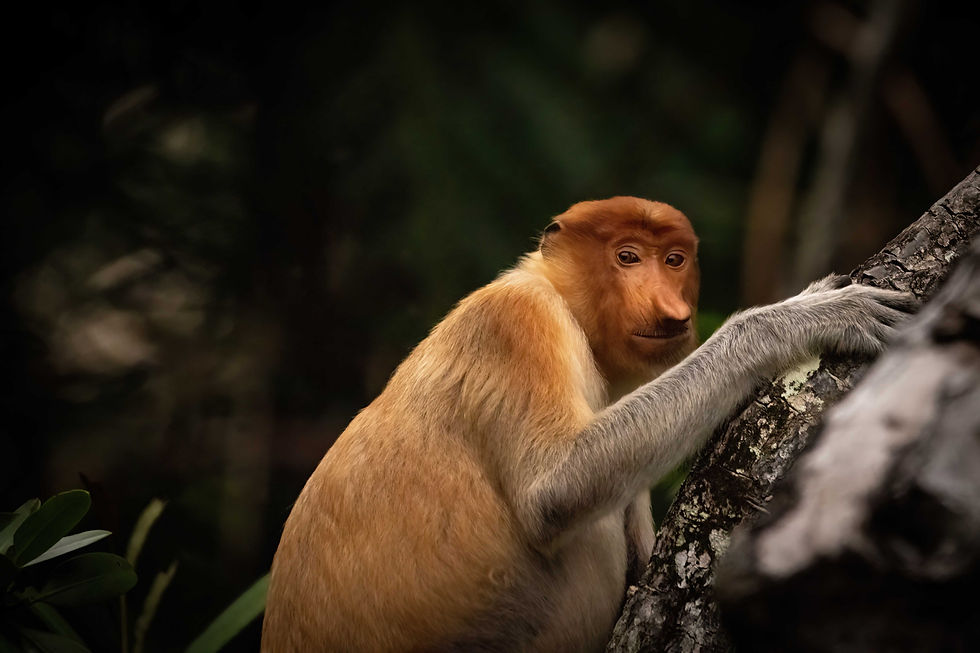

BORNEO
Taxonomic expedition in the rainforests of Ulu Temburong organized by Taxon Expeditions, focused on documenting the region’s biodiversity and searching for species potentially new to science. Conducted in the remote primary rainforest of the “Green Jewel of Brunei,” the expedition combined field research, specimen documentation, and taxonomic study in one of Southeast Asia’s most biologically rich ecosystems.
Taxonomy Expedition


SARANTAPOROS
Cave exploration and geological research expedition in the cave systems surrounding the Sarantaporos River, focused on the study of rare hypogenic sulfidic caves formed through deep geological and sulfuric processes. Conducted in collaboration with the Aristotle University of Thessaloniki and its geology and speleology sector, the expedition involved cave exploration, geological documentation, environmental measurements, and the study of the unique subterranean formations and ecosystems of the region.
Cave Exploration Expedition
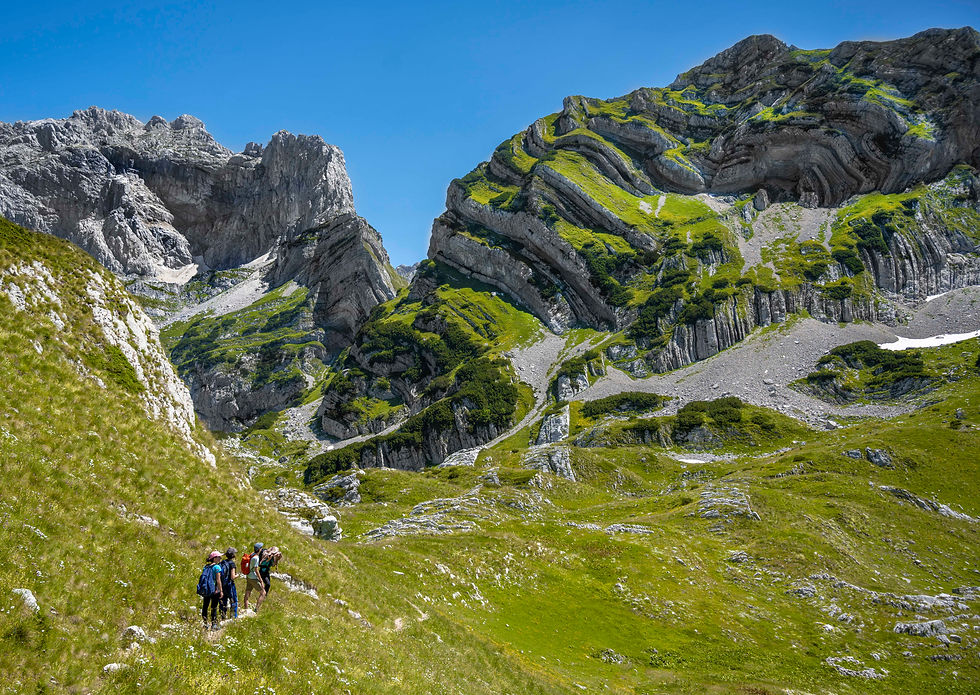


DURMITOR
Taxonomic expedition performed by Taxon Expeditions in Tuscany based at Castello di Potentino, focused on documenting the invertebrate fauna of the surrounding landscapes and studying biodiversity within traditional vineyard ecosystems. Combining field surveys, specimen documentation, and ecological research, the project explored the relationship between low-intensity agricultural practices and the diversity of local invertebrate communities across the Tuscan countryside.
Taxonomy Expedition


MALAYSIA
Expedition in the Kinabatangan River based at the Danau Girang Field Centre, focused on documenting rainforest wildlife and the work of researchers studying one of Borneo’s most important ecosystems. The project involved the photographic documentation of field research, biodiversity, conservation activities, and species inhabiting the riverine forests and wetlands of the Kinabatangan region.